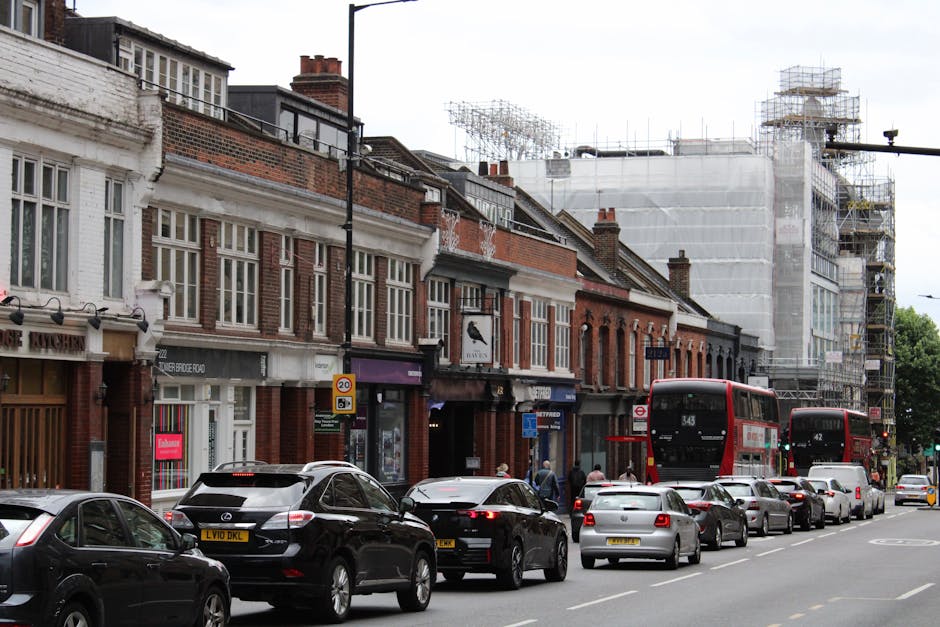
Brisbane Road gardeners for garden clearance and upkeep Leyton

If your garden has quietly slipped from "manageable" to "where do I even start?", you are not alone. A lot of Leyton homes near Brisbane Road deal with the same thing: busy schedules, compact plots, fast-growing hedges, stray leaves, tired lawns, and the occasional pile-up of green waste after a few wet weeks. That is where Brisbane Road gardeners for garden clearance and upkeep Leyton come in. The right team can clear the clutter, tidy the boundaries, and keep everything on a sensible maintenance cycle so the space feels usable again rather than a weekend project that never quite ends.
This guide walks through what garden clearance and upkeep actually involve, how the work is typically organised, what good service looks like, and how to decide what you need without overbuying. It is practical, local, and written for real gardens, not idealised ones. Let's face it, most gardens in London are a mix of promise and chaos. The trick is getting them back onside.
Expert summary: if a garden looks overgrown, blocked, or simply neglected, the best results usually come from pairing one-off clearance with light, regular upkeep. That combination is often more affordable, less stressful, and easier to maintain than repeated emergency tidy-ups.
Why Brisbane Road gardeners for garden clearance and upkeep Leyton Matters
Garden clearance is not just about making a space look neat for a day or two. In a dense area like Leyton, a neglected garden can quickly affect everyday life. Overgrown vegetation blocks light, thickens damp patches, encourages pests, and makes even small outdoor spaces awkward to use. If you have a side return or rear garden that backs onto neighbours, the mess can spread visually too, which nobody really wants.
Upkeep matters for a different reason: it stops the same problems from coming back. A one-off clearance can transform a garden, but without a simple maintenance plan, grass grows long again, hedges flare out, and borders go soft at the edges. A bit like tidying a kitchen without washing up, it looks good until the next meal. Regular care keeps the garden easier to manage and less expensive in the long run.
There is also a safety angle. Broken branches, slippery paths, hidden waste, and unstable piles of cuttings can all create trip hazards. In family gardens, rental properties, and homes with older residents, that becomes more than cosmetic. It affects how the space is used day to day.
If you are comparing broader help for the area, it can be useful to look at the full range of work offered on the services overview, especially if your garden needs more than just a quick tidy. For smaller, routine visits, garden maintenance is often the practical starting point. For heavier work, garden clearance is the service that tends to reset things properly.
How Brisbane Road gardeners for garden clearance and upkeep Leyton Works
Most garden clearance and upkeep jobs follow a fairly sensible order. First, the gardener assesses what is actually there. That sounds obvious, but it matters because one garden may only need a cut-back and waste removal, while another needs multiple visits, safe access, and more careful pruning around established plants.
Then the work is usually broken into stages: removing loose waste, cutting back overgrowth, trimming hedges or shrubs, mowing, clearing paths, edging borders, and hauling away the debris. If trees are involved, heavier or higher-risk work may fall under a specialist approach, which is why some properties benefit from combining general tidy-up work with tree lopping and removal where appropriate.
Upkeep is different from clearance because it is lighter and more regular. Think of it as keeping the garden on a short leash, not reinventing it every month. A typical upkeep visit might include lawn cutting, hedge shaping, weeding, deadheading, leaf clearance, and a quick check for anything that is getting out of hand. For many Leyton households, this approach is enough to stop the garden from becoming a bigger job later.
Good gardeners also think about waste handling. Green waste should be collected, sorted sensibly, and disposed of responsibly. If the team is careful about sustainability, that is a good sign. You may want to read about recycling and sustainability if you value lower-waste garden work and responsible disposal.
Key Benefits and Practical Advantages
There are obvious benefits, and then there are the quieter ones that people only notice after a few weeks. Both matter.
- Instant visual improvement: clear beds, trimmed edges, and a neat lawn change the whole feel of a property.
- Better access: paths, bins, sheds, and side returns become easier to use.
- Reduced stress: you do not have to keep looking at a job that is too big to tackle alone.
- Healthier plant growth: routine pruning and tidy boundaries reduce crowding and help light and air reach where they should.
- Lower risk of regrowth spiralling: regular upkeep is easier to manage than repeatedly battling an overgrown garden.
- Neighbour-friendly presentation: particularly important in terraced streets where the garden edge is part of the street view.
A good service also saves time in the small, practical way that busy people really appreciate. Not dramatic, just helpful. You can open the back door and not be greeted by a jungle. You can put the bins out without scraping through nettles. You can use the patio without shifting three years of leaf litter first. That matters more than people admit.
For some homes, it is not just about appearance. A cleared, maintained garden can make future improvements easier too. If you later want new borders, decking, or a redesigned layout, it is much simpler to start with a clean base. That is where complementary services like landscaping or landscape gardening can become part of the longer plan.
Who This Is For and When It Makes Sense
This kind of service suits more people than you might think. It is not only for properties that have been neglected for years. In fact, some of the most common jobs are fairly modest but time-sensitive.
You may need help if:
- the grass is too long to mow safely with standard domestic equipment;
- hedges are spilling into paths or reducing light;
- fallen leaves and debris are clogging the garden;
- weeds are taking over beds and paved areas;
- you are preparing to rent, sell, or re-let a property;
- you have just moved in and the garden needs a reset;
- you are recovering after winter or a busy growing season;
- you simply want a regular, reliable maintenance rhythm.
It also makes sense if you are a landlord or managing a property and need the outdoor space to stay respectable between tenancies. A rough garden can create complaints fast. It is one of those "small" things that turns into a bigger thing if nobody handles it early.
Some clients want light support only: maybe a weekly or fortnightly cut and tidy. Others need a full clear-out first, then ongoing care. The honest answer is that the right setup depends on how much growth has built up and how often you want to see the garden kept in shape. There is no one-size-fits-all answer, despite the way some marketing copy tries to pretend there is.
Step-by-Step Guidance
If you are wondering how to approach the job sensibly, here is a simple route that works well in practice.
- Walk the garden first. Note what is overgrown, what is damaged, and what you want to keep. Be realistic. A plant that has gone woody may need pruning, not saving.
- Separate clearance from maintenance. Decide whether the garden needs a reset, ongoing upkeep, or both. This helps avoid paying for the wrong type of visit.
- Identify hazards. Look for broken glass, hidden waste, unstable branches, or slippery surfaces before anyone starts.
- Prioritise access. Make sure gates, side paths, sheds, and bins can be reached. A little access planning saves a lot of fuss.
- Agree the order of work. The usual order is waste removal, cutting back, edging, mowing, hedge work, then final sweep-up.
- Ask how waste is handled. It is worth knowing whether clippings and green waste will be taken away and how they are managed.
- Set a repeat schedule. If the garden grows quickly, agree the next visit before the present one fades from memory.
A practical example: a rear garden with knee-high grass, a hedge leaning over the fence, and a patio buried in leaves should not be treated as a standard mow. It needs a clearance-first approach. Once reset, that same garden might only need monthly upkeep. Simple. No drama.
Expert Tips for Better Results
Over the years, the gardens that stay tidy are rarely the ones with the fanciest plants. They are the ones with a realistic routine. Here are the habits that tend to make the biggest difference.
- Keep maintenance light but consistent. Small, regular visits are usually better than allowing the work to stack up.
- Cut back before things harden. Young growth is easier to shape than mature, woody stems. That is just gardening truth, really.
- Do not ignore drainage clues. Patches that stay wet, mossy, or compressed may need more than a trim.
- Leave room for seasonal shifts. What works in summer may need adjusting once autumn leaf fall starts.
- Ask for a tidy finish. Clean edges and proper waste removal matter. The last 10% often makes the whole job look professional.
- Balance clearance with plant care. Not everything should be hacked back. A good gardener knows when to cut and when to protect.
A decent local gardener will also spot when a quick tidy is not enough. If a shrub is smothering a border, or a tree is crowding a small garden, they should say so plainly. That honesty saves everyone time. And budget, to be fair.
If you want a service approach that is built around reliability and care, it is worth learning more about the team behind the work through about us. For many people, trust is not about big claims. It is about whether the person on site notices the little things and explains them clearly.
Common Mistakes to Avoid
Most garden clearance problems are avoidable. The trouble starts when people rush the first step or choose the wrong level of help.
- Only cutting the surface growth: this can make the garden look temporarily tidy while the real problem stays underneath.
- Skipping waste planning: if no one has thought about disposal, the "clearance" becomes a pile of bags by the gate.
- Over-pruning: some plants bounce back slowly, and too much cutting can leave them stressed or bare.
- Ignoring hidden rubbish: old pots, wire, bricks, and broken fixtures often hide in long grass.
- Expecting one visit to solve everything forever: lovely idea, not usually how gardens work.
- Choosing maintenance before clearance: if the space is badly overgrown, upkeep alone may be wasted effort.
One of the more common mistakes is underestimating how quickly a garden rebounds after rain and mild weather. A garden that looked fine in March can feel wild by June. If you are in Leyton through the growing season, you probably know that already.
Tools, Resources and Recommendations
Good garden work depends on the right tools, but it is not only about machinery. Planning and finish matter just as much.
Typical tools and equipment may include:
- lawn mowers for grass cutting;
- hedge trimmers for shaping and reduction;
- secateurs and loppers for detailed pruning;
- leaf blowers or rakes for final clearing;
- wheelbarrows, sacks, and collection tools for waste;
- protective gloves, eye protection, and sturdy footwear;
- broader clearance equipment for larger or heavier jobs.
But the real resource is judgement. Anyone can cut. Not everyone can tell you what should be cut, what should wait, and what should be left alone. That is where experience shows up quietly.
If your garden includes regular mowing or clipped boundaries, linking upkeep with lawn mowing and hedge trimming can make the maintenance schedule simpler. These services sit neatly alongside clearance because they stop the garden drifting back into disorder too fast.
Practical recommendation: if you are unsure where to start, begin with a clearance visit, then ask for a maintenance rhythm that matches the garden's actual growth rate. That combination usually gives the best value.
Law, Compliance, Standards, or Best Practice
For garden clearance and upkeep, the main thing is not dramatic legal complexity; it is sensible, careful working practice. That said, there are a few standards and expectations worth taking seriously.
Waste should be handled responsibly, especially green waste, and any garden rubbish should be separated thoughtfully where possible. If cutting involves height, trees, heavy branches, unstable surfaces, or awkward access, then safe working methods matter. Professional gardeners should use appropriate protective equipment and avoid creating unnecessary risk for occupants, neighbours, or passers-by.
In residential London settings, a careful approach also matters around noise, timing, access, and neighbour relations. Sometimes the best work is the work that leaves very little fuss behind. You know the type: tidy paths, no debris in the street, no damage to fences, and no "surprise" leftover branches leaning over the boundary.
Where tree work is involved, it is sensible to treat it as a separate risk category from general garden tidying. If a branch is dead, unstable, or very high, that is not the moment to improvise. The same applies to hidden waste, buried debris, or anything near fragile structures. Good practice is calm, methodical, and a bit unglamorous. Which is fine.
Options, Methods, or Comparison Table
Different gardens need different approaches. Here is a simple comparison that helps when deciding what to book.
| Approach | Best for | What it usually includes | Main advantage |
|---|---|---|---|
| One-off garden clearance | Overgrown, messy, or neglected gardens | Removal of waste, cutting back, clearing access, tidying the site | Fast reset |
| Regular garden maintenance | Gardens that are already in decent shape | Mowing, weeding, hedge shaping, leaf clearing, light pruning | Keeps the space under control |
| Clearance plus upkeep plan | Gardens that need a reset and then ongoing care | Initial heavier work followed by scheduled visits | Best long-term stability |
| Specialist add-ons | Gardens with trees, structures, or larger design changes | Tree work, landscaping, decking, redesign tasks | Solves more complex issues |
If your garden is awkwardly laid out, has old timber features, or needs a new direction after clearance, then related work such as decking services or broader landscape gardening can be worth discussing later. Not every garden needs that, but some do. And once you see the space properly cleared, the next decision becomes much easier.
Case Study or Real-World Example
A typical Leyton example is a small rear garden at the end of a terrace: long grass, a few fallen branches, weeds in the patio cracks, and a hedge starting to push into the boundary line. The owner had ignored it through a busy stretch of work, then realised the space was no longer somewhere to sit or store bikes comfortably.
The first visit focused on clearance. The grass was cut down, the hedge was shaped back into line, the patio was cleared, and the waste was removed in one go. Nothing fancy. Just a proper reset. The difference was immediate: the garden looked larger, lighter, and easier to use. The following month, the work changed to upkeep rather than full clearance. That meant smaller visits, less disruption, and no more surprise weekend panic.
The important bit? The owner had expected a single "big tidy" to solve everything. Instead, the useful solution was a reset followed by modest maintenance. That is usually how it goes in real life. Once the space is back under control, staying there is much easier than getting there in the first place.
Practical Checklist
Before you book, it helps to check a few basics. Nothing complicated. Just practical.
- Is the garden currently overgrown, or just untidy?
- Do you need waste removed as part of the job?
- Are there trees, tall hedges, or awkward access points?
- Do you want a one-off clearance, regular upkeep, or both?
- Are there any fragile plants you want protected?
- Is the garden likely to need repeat visits through the growing season?
- Would a lawn cut or hedge trim improve the result?
- Do you want responsible waste handling and a tidy finish?
Quick read: if you can answer those points before the visit, the whole process usually becomes smoother. Less back-and-forth. Better outcome. Fewer surprises hiding in the grass.
Conclusion
Brisbane Road gardeners for garden clearance and upkeep Leyton are at their best when they do two things well: reset the garden properly, then keep it from slipping back again. That balance matters more than a single dramatic cut-back. Whether you are dealing with a wild rear garden, a rental property that needs attention, or a family space that has simply got away from you, the right mix of clearance and maintenance can make a real difference.
What you want is not just a tidy-looking garden today. You want one that feels manageable next month too. That is the real win. And once the space starts breathing again, you usually notice the rest of the house feels better as well. Funny how that happens.
If you are ready to move from "I should do something about this" to a proper plan, start by reviewing the available services and think about whether a one-off reset or ongoing upkeep will serve you best. A good garden has a way of giving that effort back, quietly but consistently.
Get a free quote today and see how much you can save.
A well-kept garden does more than look neat. It gives you a place to pause, breathe, and enjoy the small London moments that make a home feel settled.
Frequently Asked Questions
What do Brisbane Road gardeners for garden clearance and upkeep Leyton usually include?
They typically cover waste removal, cutting back overgrowth, lawn tidying, hedge trimming, edging, weeding, and ongoing maintenance visits where needed. The exact scope depends on the condition of the garden and whether you need a one-off reset or repeated care.
Is garden clearance the same as garden maintenance?
Not quite. Garden clearance deals with heavier, messier, or neglected spaces that need a proper reset. Garden maintenance is lighter, more regular work that keeps an already-tidy garden under control.
How often should a Leyton garden be maintained?
That depends on growth, size, and use. Some gardens need fortnightly attention in peak growing periods, while others are fine with monthly visits. A small garden with fast-growing hedges may need more frequent care than you expect.
Can a gardener remove all the waste after clearance?
Usually yes, if waste removal is included in the service. It is worth confirming this before the job starts so you know whether clippings, branches, and general green waste will be taken away.
What if my garden is too overgrown for a normal mow?
Then it usually needs a clearance-first approach. Long grass, heavy weeds, or hidden debris can make mowing unsafe or ineffective. A proper cut-back and tidy-up normally comes before routine maintenance.
Do I need to be home during the work?
Not always, but it can help if access or specific instructions are needed. Some people prefer to walk the garden through with the gardener at the start, then let the work continue while they are elsewhere.
Is garden clearance suitable for rental properties?
Yes. It is often a good fit for end-of-tenancy gardens, void properties, and spaces that need to look presentable quickly. After the clearance, a maintenance plan can help keep the property in better shape between tenancies.
What should I do before the gardener arrives?
Move personal items, unlock access points, and highlight anything fragile or important. If there are toys, pots, tools, or hidden hazards, a quick tidy-up beforehand makes the job smoother and safer.
Can gardeners help with hedges and trees as well?
Yes, many garden tidy-up jobs include hedge work, and tree-related tasks may be available where suitable. For more involved branches or removal work, it is sensible to ask about specialist support such as tree work rather than assuming every job is the same.
How do I know whether I need clearance, upkeep, or both?
If the space is cluttered, overgrown, or hard to access, start with clearance. If the garden is already fairly neat but needs regular attention, upkeep may be enough. If you want to stay ahead of growth after a reset, a combination is often the smartest choice.
What makes a good garden service in this part of Leyton?
A good service gives clear advice, works carefully, leaves the site tidy, handles waste responsibly, and suggests a realistic plan rather than pushing for more work than you need. That sensible approach is usually the best sign you have found the right people.
Where can I find more information about service standards and policies?
If you want to understand how a provider handles service expectations, safety, and related matters, pages such as insurance and safety, health and safety policy, and terms and conditions can be useful reading before you book.