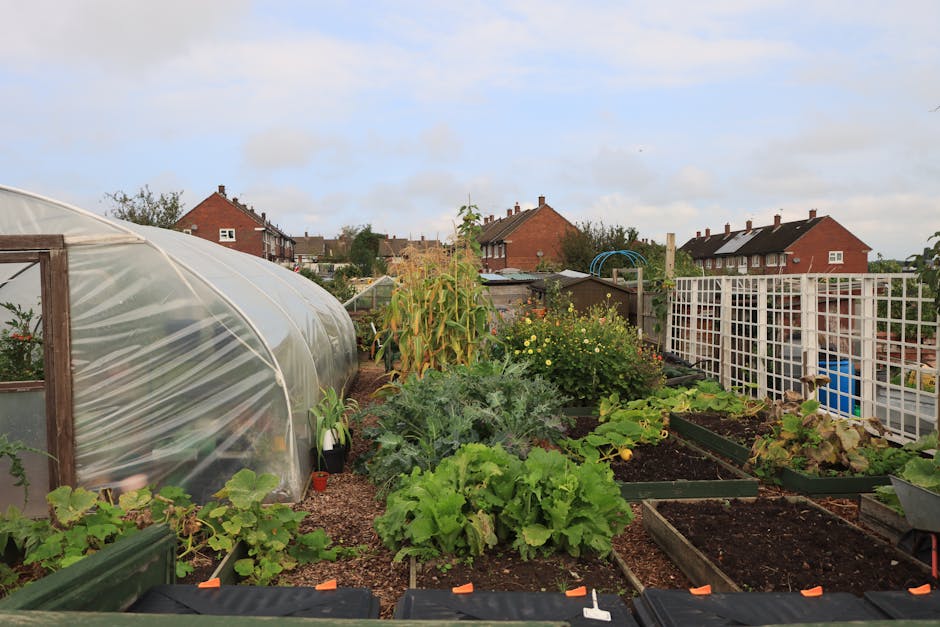
Access issues for Leyton gardeners narrow garden solutions
Narrow side passages, awkward gate widths, shared entrances, and tight terraced layouts can turn a simple garden job into a small logistical puzzle. If you are dealing with access issues for Leyton gardeners narrow garden solutions are often the difference between a frustrating visit and a smooth, tidy result. In many Leyton homes, the garden itself may be modest in size, but the access route is the real challenge: bins in the way, a single narrow path, a low arch, or a patio that feels more like a corridor than a working area.
This guide explains what access issues mean in practice, why they matter, and how experienced gardeners approach narrow gardens without causing damage or delays. We will also look at the best ways to plan, what to ask before work starts, and which services are most useful for compact outdoor spaces. If you have ever wondered whether a gardener can actually get tools, materials, or waste through your side return without a fuss, you are in the right place. Truth be told, that question comes up a lot.
Table of Contents
- Why access issues in narrow Leyton gardens matter
- How narrow-garden access solutions work
- Key benefits and practical advantages
- Who this is for and when it makes sense
- Step-by-step guidance
- Expert tips for better results
- Common mistakes to avoid
- Tools, resources and recommendations
- Law, compliance, standards, and best practice
- Options, methods, and comparison
- Case study or real-world example
- Practical checklist
- Conclusion
- Frequently asked questions
Why access issues in narrow Leyton gardens matter
Access is not just a convenience issue. It changes how safely and efficiently a garden can be maintained, cleared, landscaped, or improved. In a narrow Leyton garden, the route into the space can affect everything from lawn mowing and hedge trimming to decking installations and full garden clearance.
When access is tight, small problems become bigger ones. A wheelbarrow may not pass. Long-handled tools can scrape walls or railings. Bags of waste might need to be carried in smaller loads. Even simple tasks can take longer if the gardener has to work around a narrow alleyway, a steep step, or a gate that opens the wrong way. A good plan prevents that awkward mid-job moment where everyone stands around looking at the gate and doing the mental maths. Not ideal.
This matters because London gardens, especially in terraced or semi-detached homes, often have limited side access and compact plots at the back. Leyton is no exception. The best outcome usually comes from matching the right method to the space rather than forcing a standard approach into a tight layout.
It also matters for your property. Narrow access routes can increase the risk of scuffed paintwork, broken paving edges, damaged plants, or repeated traffic through the house if tools and debris have to be moved the long way. Thoughtful planning helps protect both the garden and the home.
Expert summary: In narrow gardens, the access plan is often as important as the gardening itself. The right equipment, the right sequence, and a realistic waste-removal approach can save time, reduce mess, and improve the final finish.
How narrow-garden access solutions work
Access solutions for compact gardens are usually based on one principle: reduce friction. That means making the route easier, the tools smaller or more portable, and the work sequence more efficient. A professional gardener will normally start by looking at entry points, movement paths, surface conditions, storage space for materials, and where waste can be staged without blocking movement.
In practice, this might involve using smaller hand tools rather than bulky machinery, breaking work into sections, and removing cuttings in manageable loads. For some jobs, the garden can be reached through a house, but that requires care, clear communication, and protection for floors and door frames. For others, the side return is just wide enough for narrow-carry equipment and lightweight bags. Sometimes, you can almost feel the site tell you what it wants: less bulk, more precision.
For Leyton gardens, the access plan often needs to work around typical urban features such as narrow side passages, shared entryways, limited driveway space, or neighbour boundaries that leave very little margin for error. Good gardeners do not improvise wildly on the day. They plan the movement of tools, waste, and materials in advance.
If you want a broader view of available work types, it can help to explore the services overview, then match the service to the physical realities of your garden rather than the other way around.
What a good access plan usually includes
- Clear measurement of gates, paths, and turning space
- A note on surface type, such as paving, gravel, steps, or decking
- Identification of fragile areas, like borders, lighting, or newly planted beds
- Waste staging points that do not block movement
- Protection for internal floors if materials must pass through the property
- Tool selection that suits the route, not just the job
Key benefits and practical advantages
When access is handled well, the benefits are more noticeable than many people expect. The job simply runs better. Less time is lost to carrying, repositioning, and cleaning up after avoidable bumps or spills. The final result tends to look tidier too, because narrow-space work rewards precision.
Here are the main advantages:
- Cleaner working conditions: less soil, cut material, and debris spread across paths and interiors.
- Reduced risk of damage: fewer scrapes on walls, fences, paving, and door frames.
- Better time management: jobs can be scheduled more realistically when access is properly understood.
- Improved plant care: careful movement protects beds, edging, and delicate shrubs.
- More options for small spaces: the garden is not automatically limited to basic maintenance; narrow spaces can still be upgraded thoughtfully.
There is also a quiet financial benefit. Better access planning often prevents avoidable rework. If a gardener knows in advance that a large skip cannot fit, or that a hedge cut will need bagged removal in smaller batches, they can price and schedule more accurately. That usually means fewer surprises later on. And let's face it, nobody likes a surprise when the surprise involves extra labour or a blocked passage.
Who this is for and when it makes sense
This kind of planning is useful for a wide range of homeowners and landlords in Leyton. It is especially relevant if your garden is behind a terraced property, accessed through a side alley, or surrounded by boundary fences that make movement tight.
You will probably benefit from narrow-garden access planning if any of the following sound familiar:
- Your gate is too narrow for standard garden equipment.
- The only route to the garden passes through the house.
- Your side passage has steps, bends, or storage obstacles.
- You need larger work such as landscaping, clearance, or timber installation.
- Neighbour access or shared entry points need to be respected.
- You have a garden that is small but awkward to reach.
It also makes sense if you are planning a service that creates a lot of waste, such as garden clearance or tree work. In those cases, access affects how quickly waste can be gathered and removed. For routine upkeep, such as garden maintenance or lawn mowing, the access issue is less dramatic, but it still matters.
For more structural improvements, the challenge grows. A narrow garden can still support smart design, but the logistics need to be realistic from day one. That is where planning stops being a nice extra and starts becoming essential.
Step-by-step guidance
If you want a smoother result, approach the job in a clear sequence. The process below is simple, but it works. In our experience, the people who do best are the ones who describe the space honestly rather than optimistically. "It's fine" is not a measurement.
- Measure the access route. Check gate width, passage width, door clearance, step height, and any tight turns.
- Identify the main challenge. Is it the route, the surface, waste removal, neighbour access, or the limited working area itself?
- Match the service to the site. Routine pruning, clearance, landscaping, or decking each needs a different approach.
- Decide how materials will enter and leave. Think about soil, timber, aggregates, green waste, and tools separately.
- Protect vulnerable surfaces. Cover indoor floors, edge paving, and painted finishes if work has to pass close by them.
- Prepare the garden beforehand. Move ornaments, hoses, bikes, and bins out of the route.
- Confirm the plan on arrival. A quick walk-through before work begins can prevent confusion later.
- Review the finish. Check that access routes are left clean, safe, and usable.
A useful detail that gets missed far too often: plan where the cuttings or waste will sit during the job. If the only clear strip of ground becomes the dumping point, movement slows down almost immediately. Better to establish a staging area at the start, even if it is tiny.
A practical example of sequencing
Imagine a narrow rear garden with a slim side return. Rather than carrying every tool in and out repeatedly, the gardener may bring in all essentials first, then work from the furthest point back toward the exit, collecting waste into small, manageable bags as they go. The result is less backtracking, fewer trip hazards, and a tidier finish. Simple, really, but effective.
Expert tips for better results
A few habits make a big difference in tight access jobs. These are not flashy tricks; they are the quiet, practical things that keep a job on track.
- Use smaller loads. It is slower on paper, but often faster in real life because you avoid blockages and dropped debris.
- Choose multi-purpose tools. Compact tools can be more useful than bigger, single-use equipment in restricted spaces.
- Work from clean to messy. Start with the areas that need the most precision before the space becomes cluttered.
- Keep a clear exit line. Always leave one route open for safe movement.
- Use protective barriers where needed. Temporary coverings can save a lot of cleaning later.
- Plan around wet weather. A narrow path becomes more awkward when it is slippery, muddy, or full of wet foliage.
One subtle tip: if your garden has a narrow side passage with low light, make sure the route is well seen before work starts. Dusk, drizzle, and a black bin bag are not a great combination. You would be amazed how often a perfectly normal passage suddenly feels twice as narrow when the light drops.
Another good practice is to keep communication short and clear. If a section is going to be noisy, dusty, or messy, say so early. It keeps everyone calmer, including neighbours. Small thing, but it helps.
Common mistakes to avoid
Access problems usually get worse when people underestimate them. That is the main trap. The second trap is trying to solve them with brute force. Narrow gardens reward patience, not pushing things through because they "almost fit".
- Not measuring properly: a gate that looks wide enough may still fail once handles, wheelbarrows, or protective covers are added.
- Assuming all waste can be removed in one go: tight access often means smaller loads and more trips.
- Forgetting internal protection: when tools pass through the house, floors and corners need shielding.
- Overfilling the route: leaving bags, branches, or materials in the access path can make the site unsafe.
- Choosing the wrong service level: a garden that needs clearance is not the same as one that needs routine upkeep.
- Ignoring neighbour boundaries: access through shared spaces should be handled politely and carefully.
A small but very real mistake is to focus only on the final look and forget the logistics. A beautiful result still depends on getting materials in, carrying waste out, and keeping the route safe throughout. The pretty part comes last. The route is what gets you there.
Tools, resources and recommendations
You do not need fancy equipment to manage narrow access well. In fact, less can be more. The best tools are the ones that fit the site, reduce repeated lifting, and protect the surfaces around them.
| Challenge | Useful approach | Why it helps |
|---|---|---|
| Narrow gate or side passage | Compact hand tools, smaller bags, measured loads | Improves movement and reduces snagging |
| Through-house access | Floor protection, staged movement, clear entry points | Protects indoor finishes and reduces mess |
| Heavy waste or debris | Frequent removal in smaller quantities | Prevents pile-ups and keeps routes clear |
| Complex landscaping work | Detailed planning before delivery of materials | Avoids ordering items that cannot be moved safely |
| Routine upkeep | Regular visits and light maintenance schedules | Keeps access manageable and the garden under control |
For larger or more involved jobs, it can be sensible to start with a wider service review such as landscaping or landscape gardening, because those projects need access planning from the outset. If overgrowth is the problem, hedge trimming and tree lopping and removal can be better approached in phases rather than all at once.
Where materials or waste need removing in bulk, the garden clearance service is often the natural place to begin. And if you want to understand the business side of things before booking, the pages on pricing and quotes and payment and security are useful to review first.
Law, compliance, standards, and best practice
For narrow garden work, compliance is usually less about one dramatic rule and more about careful everyday practice. In the UK, gardeners and contractors are generally expected to work safely, protect property, and handle waste responsibly. Where access involves lifting, carrying, tools, ladders, or working near occupants and neighbours, the standard of care matters a great deal.
Best practice commonly includes:
- Assessing the site before work starts
- Using equipment suited to the job and the access route
- Minimising trip hazards and blocked walkways
- Protecting floors, walls, paving, and planted areas
- Handling waste and materials in a way that avoids damage or unsafe stacking
- Being mindful of shared access, neighbour boundaries, and household routines
It is also sensible to check service policies that show how a company approaches safety and responsibility. The health and safety policy, insurance and safety, and accessibility statement are all useful indicators of how carefully the work is handled. If sustainability matters to you, the recycling and sustainability page may also be worth a look.
One gentle note: if access is so tight that standard equipment cannot be used safely, the right answer is usually to change the method rather than force the issue. That is just sensible practice. No drama required.
Options, methods, and comparison table
Different narrow gardens call for different tactics. The best option depends on the width of the access route, the amount of waste, the kind of work needed, and whether materials can be moved without crossing the house.
| Method | Best for | Pros | Trade-offs |
|---|---|---|---|
| Manual carry-through access | Small gardens, light maintenance, limited equipment | Flexible, precise, low impact | More labour, slower for heavy jobs |
| Side passage access | Most terraced gardens with a usable route | Efficient, keeps work outside the house | Can be constrained by width, steps, or storage |
| Phased access and removal | Clearance, pruning, landscaping projects | Better control, safer waste handling | Requires planning and multiple movements |
| Compact-tool approach | Narrow beds, delicate planting, tight detailing | Great precision, less surface damage | Not ideal for heavy clearance or large quantities |
For many Leyton properties, a blended method works best. A gardener may use compact tools for the main task, then shift to phased waste removal at the end. The important bit is choosing a method that respects the route instead of trying to treat every garden like a large open plot.
Case study or real-world example
Here is a realistic example from a typical urban setting. A rear garden sits behind a terraced house with a narrow gate, a slim side return, and a few awkward steps near the back door. The owner wants seasonal tidy-up work, shrub reduction, and a fresh start in the beds. On first glance, it looks slightly daunting. Nothing impossible, but definitely not a grab-and-go job.
The solution is straightforward. The work is split into sections. Loose items are moved first. Floors near the back door are protected before anything passes through. Tools are carried in a single planned batch, rather than multiple random trips. Waste is collected in smaller loads, which keeps the side passage usable and reduces the chance of snagging on the gate latch or wall edges.
Because the access route is narrow, the gardener avoids oversized machinery and uses hand tools where they make more sense. The result is a clean, efficient finish with less disturbance to the property. The owner gets a much better outcome than if the team had simply tried to "make do" with the wrong setup. To be fair, that is the difference between an organised job and a stressful one.
If the same garden later needs a more ambitious refresh, it may be time to consider the service mix again, perhaps moving from maintenance into landscaping or a targeted decking upgrade via decking services. Access planning remains the same, even when the job changes.
Practical checklist
Use this checklist before booking or starting work in a narrow garden. It helps keep the day simple, which is exactly what you want.
- Measure the gate, side passage, and tightest turning points.
- Check whether access passes through the house, a shared alley, or the garden only.
- Identify fragile surfaces, finished paving, and indoor flooring.
- Decide where tools will be staged during the job.
- Decide where waste will sit before removal.
- Clear bins, bikes, planters, and garden furniture from the route.
- Confirm whether the job is maintenance, clearance, landscaping, or structural improvement.
- Ask about insurance, safety, and waste handling.
- Check whether the chosen service matches the access reality of the site.
- Leave one clear route open for safe movement at all times.
If you are unsure where to start, a good first step is usually a calm conversation about the space rather than the task. That sounds obvious, but it saves a lot of back-and-forth later. And it makes everyone's life easier, which is never a bad thing.
Conclusion
Access issues for Leyton gardeners narrow garden solutions are really about practical judgement. Tight spaces do not prevent good work, but they do require better planning, the right tools, and a method that fits the garden rather than fighting against it. Whether you need routine maintenance, a one-off clearance, hedge work, or a full redesign, the access route should be treated as part of the job from the beginning.
The good news is that narrow gardens can still be highly usable and attractive. In fact, some of the most satisfying transformations happen in compact spaces, because every inch matters. With the right approach, a garden that once felt awkward can become manageable, tidy, and surprisingly versatile. That is a lovely change to make to a home.
If you are ready to take the next step, choose a service that reflects your garden's layout, ask sensible questions about access, and make the plan simple enough to work on the day. Small spaces reward clear thinking. Always have done.
Get a free quote today and see how much you can save.
Frequently Asked Questions
What does access issues for Leyton gardeners narrow garden solutions actually mean?
It refers to the practical problems gardeners face when getting into and working within narrow Leyton gardens. That may include slim side passages, small gates, shared access, or routes through the house. The solutions are the methods used to work safely and efficiently in those spaces.
Can a gardener work if the only access is through the house?
Yes, often they can, provided the route can be protected and managed properly. Floors, corners, and door frames may need covering, and the movement of tools and waste should be planned carefully. It is not always the easiest option, but it can be done.
Is a narrow garden suitable for landscaping work?
Usually yes, but the design and delivery process need to be realistic. Narrow access may limit the size of materials, machinery, or planted items that can be used. Good landscaping in a tight space is usually based on modular planning and precise installation.
What kind of garden jobs are most affected by poor access?
Jobs that involve bulk waste or heavier materials are affected most. Garden clearance, tree work, decking, and landscaping can all be more complex in a tight garden. Routine maintenance is easier, but it still benefits from good planning.
How do gardeners avoid damaging narrow side passages?
By using smaller loads, suitable equipment, and a clear movement route. Protective coverings may be used where needed, especially if the route passes close to paintwork, paving, or interior surfaces. The key is to slow down just enough to avoid avoidable knocks and scrapes.
Should I clear the garden before the gardener arrives?
Yes, if you can. Moving bins, furniture, toys, hoses, and fragile items out of the access route makes the job smoother and safer. It also helps the gardener start work without spending time shifting everyday clutter first.
Does narrow access make garden clearance more expensive?
It can, because more labour may be involved and waste may need to be handled in smaller loads. That said, pricing depends on many factors, including volume, difficulty, and time. The best way to get clarity is to ask for a quote that reflects the actual site conditions.
What if my gate is too small for standard equipment?
Then the method usually needs to change. Hand tools, compact equipment, phased waste removal, or alternative access arrangements may solve the problem. Forcing larger tools through a tight opening is rarely worth the risk.
Are there special safety concerns with narrow garden access?
Yes. Trip hazards, manual handling, slippery surfaces, and awkward lifting all become more relevant when space is limited. This is why a proper site assessment and a sensible work plan matter so much.
How can I tell whether I need maintenance or clearance?
If the garden is generally manageable but needs routine care, maintenance is usually the right fit. If it is overgrown, heavily cluttered, or difficult to enter safely, clearance may be the better starting point. Sometimes the answer is a mix of both, which is perfectly normal.
What should I ask before booking a narrow-garden job?
Ask how the access will be handled, whether the route needs protection, what equipment will be used, how waste will be removed, and whether the work is suitable for the current layout. A short, honest conversation upfront can save a lot of trouble later.
Can a narrow garden still look good after work is done?
Absolutely. In many cases, the tighter the space, the more noticeable the improvement. Careful trimming, sensible layout, and tidy finishes can make a small garden feel calmer, cleaner, and more usable. That is often the pleasant surprise at the end.